
Prepare protection before going out
Check the UV index for your place and intended time. WHO recommends protection at UVI 3 and above. Plan shade, clothing, a hat, sunglasses and sunscreen for exposed skin, then choose a route and time where these measures are practical.
Check the actual area of shade; a broad-brimmed hat should cover the face, ears and neck. Look for UV protection information on sunglasses rather than lens darkness alone. Choose clothing that covers areas needing protection, and follow sunscreen instructions, including reapplication after sweating, swimming or wiping. Sunscreen is not a reason to extend exposure.
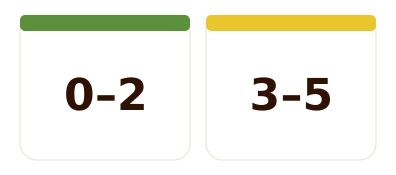
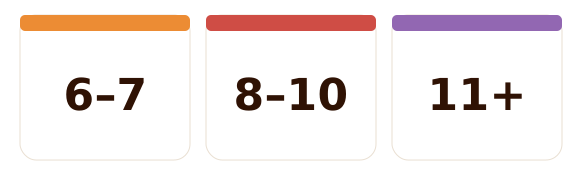
At UVI 8 or higher, avoid outdoor sun exposure around midday and follow local public guidance.
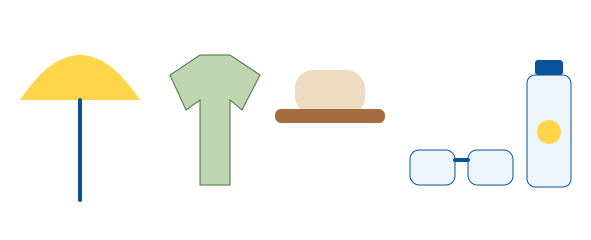
Conceptual illustration; not to scale.
Turn hourly values into protection periods
Distinguish a daily maximum from an hourly forecast. The maximum describes the day’s expected peak; hourly information helps compare periods. As a reading example, consecutive hours at UVI 3 and above form forecast protection periods. Near their edges, check updates and actual conditions.
Teaching example: Beijing, 2026-6-21, China Standard Time UTC+08:00. Hypothetical UVI values at 10:00, 11:00, 12:00 and 13:00 are 3, 5, 6 and 5: protection is needed for these forecast hours. These are neither observations nor actual forecasts, and do not establish that 09:59 or 14:00 needs no protection.
How to choose between two periods
Continue with that teaching location and date. Suppose 09:00 has UVI 2, 26°C and no rain, and 13:00 has UVI 5, 33°C and no rain, with other conditions similar. For walking, consider 09:00 first because the lower temperature makes activity easier; prepare clothing and a hat and watch updates. If 13:00 is necessary, arrange shade, protection and rest, using local heat warnings to decide whether to shorten the outing.
This is an outing choice, not a personal vitamin D period. Temperature and UVI have not been combined into a health score: they describe heat and UV protection needs separately, alongside purpose, actual conditions and available precautions.
Adjust when conditions change
Update the forecast before leaving and check on arrival. Recheck after changing city, time or route; cloud or shade alone does not settle the decision. For heat warnings, thunderstorms or other unsuitable conditions, choose a different time or place or cancel the plan. Stop activity if you feel unwell.
Where to look and what to confirm
Use local meteorological information or a weather service that states place, valid time and update time. If hourly UVI is unavailable, do not substitute solar elevation, temperature or a neighbouring city as local observations. You can still prepare shade and clothing, choose an easier route with rest options and check again later.
Open the China Meteorological Administration weather portal and check your location